
From origin to ritual
A world of history. In one cup.
A coffee bean travels a long way before it reaches your cup. Its journey runs from grower to roaster, but also through centuries of encounters, trade and invention. Behind that familiar aroma is a story that begins in Africa, reaches the world through Yemen and is told again every morning.
Explore the journey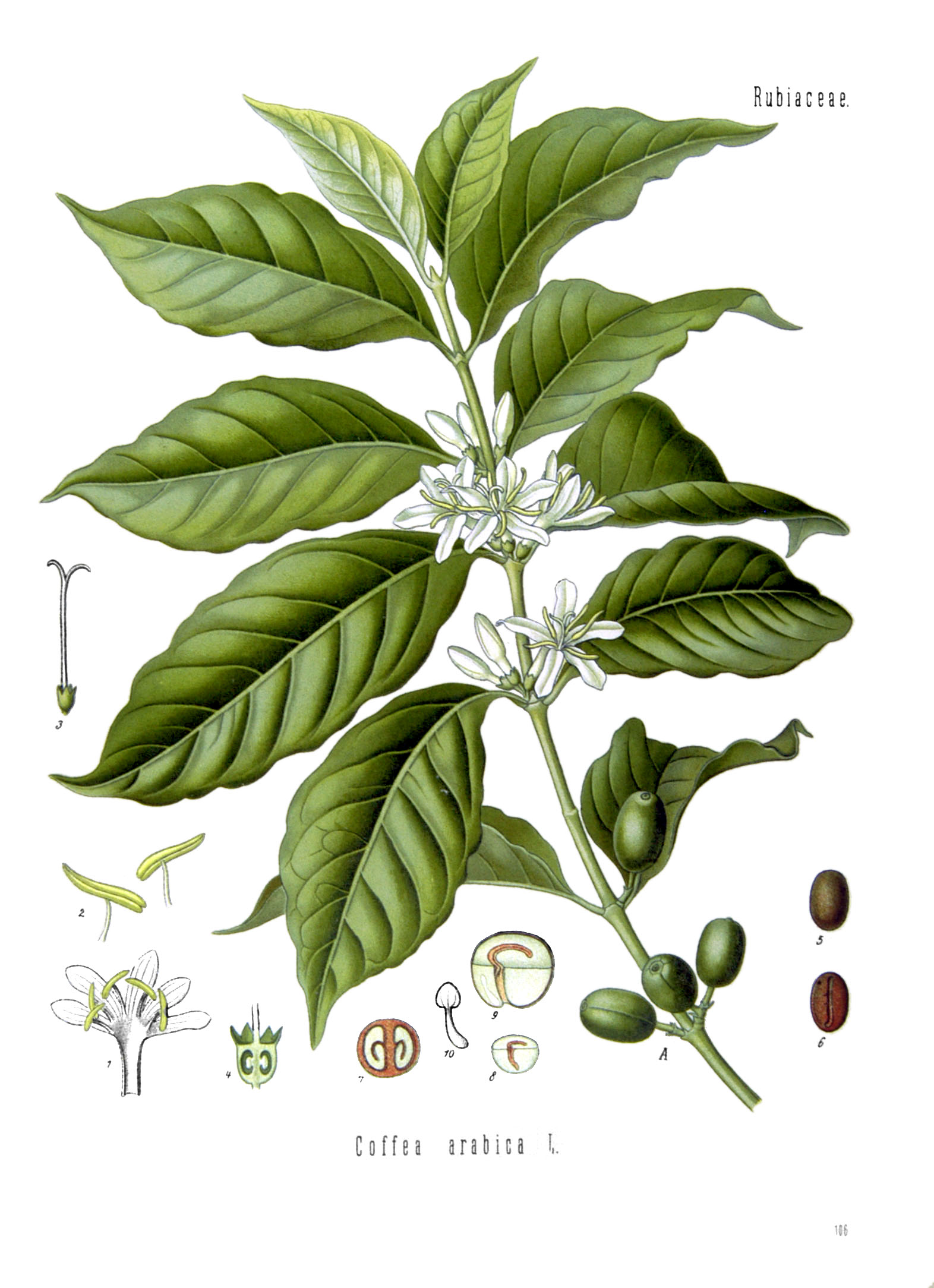
It begins with a fruit
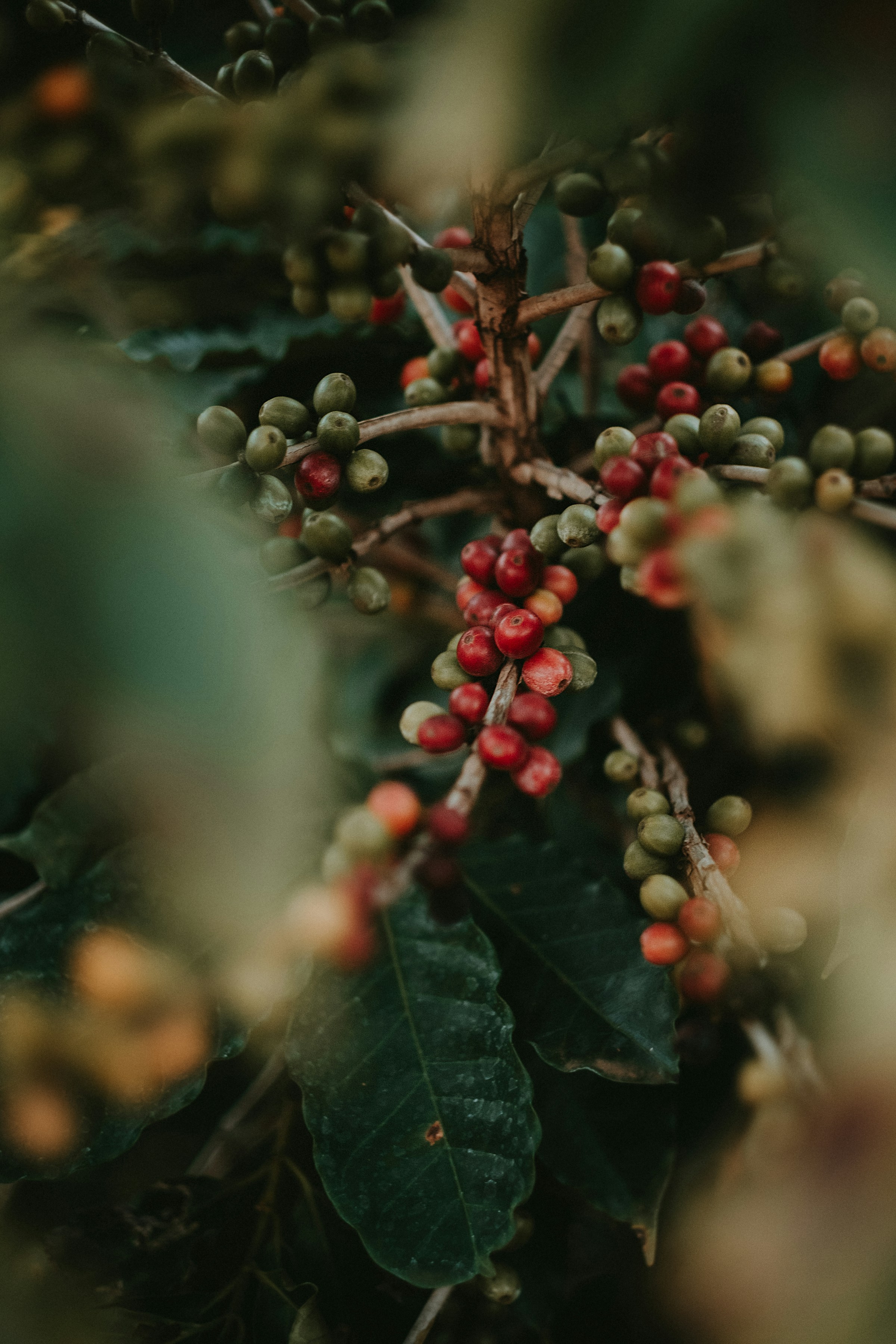
What we call a coffee bean is the seed of a fruit. Arabica’s natural home lies in the highland forests of Ethiopia and neighbouring South Sudan. Here, coffee belongs to a much richer world of plants than neat rows on a plantation might suggest.
The celebrated goatherd Kaldi, said to have discovered coffee’s stimulating effect through his dancing goats, belongs to folklore. It is a wonderful story, but not an established historical starting point. We do not know who drank the very first coffee.
A drink begins to travel
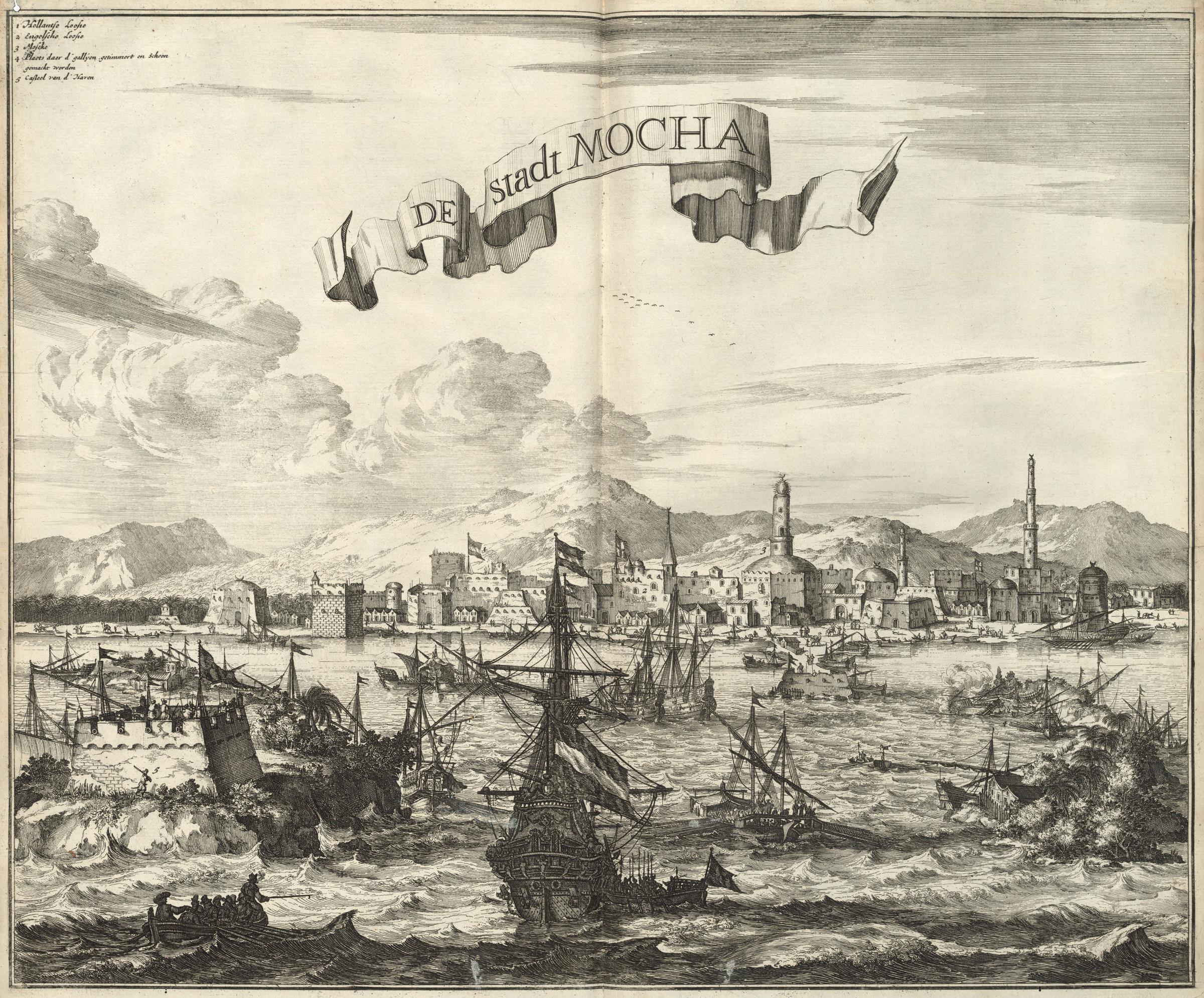
Coffee cultivation and trade became an important tradition in Yemen. Coffee was being grown there by the fifteenth century; during the sixteenth, the drink also reached cities in Egypt, Syria and the Ottoman world. Around the Red Sea, trade routes and coffee cultures met.
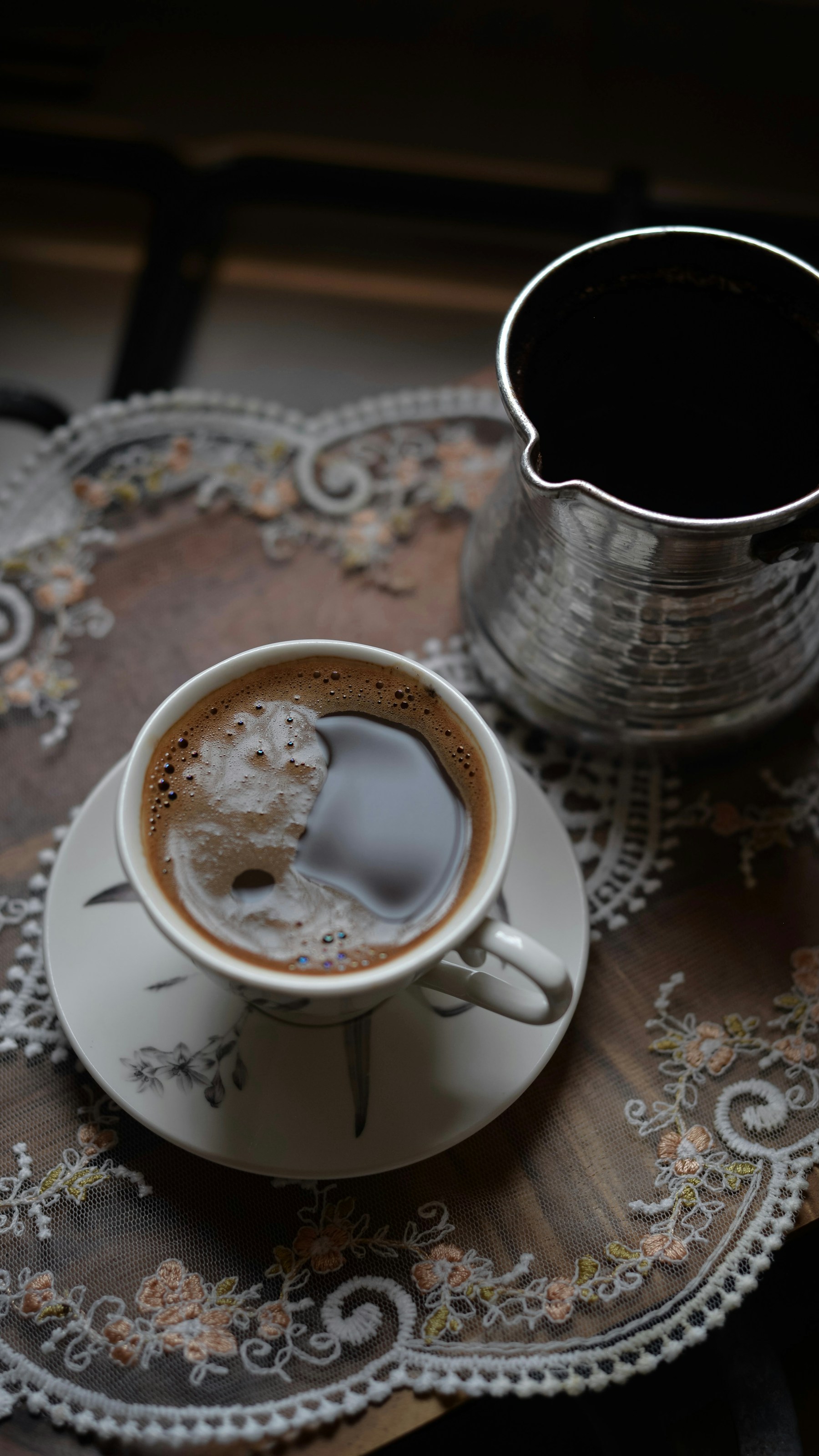
Coffee found a place in social life. Turkish coffee, made with finely ground beans slowly brewed in a small pot, still expresses that connection today. The cup is part of a tradition of hospitality, conversation and making time for one another.
Where stories and ideas meet
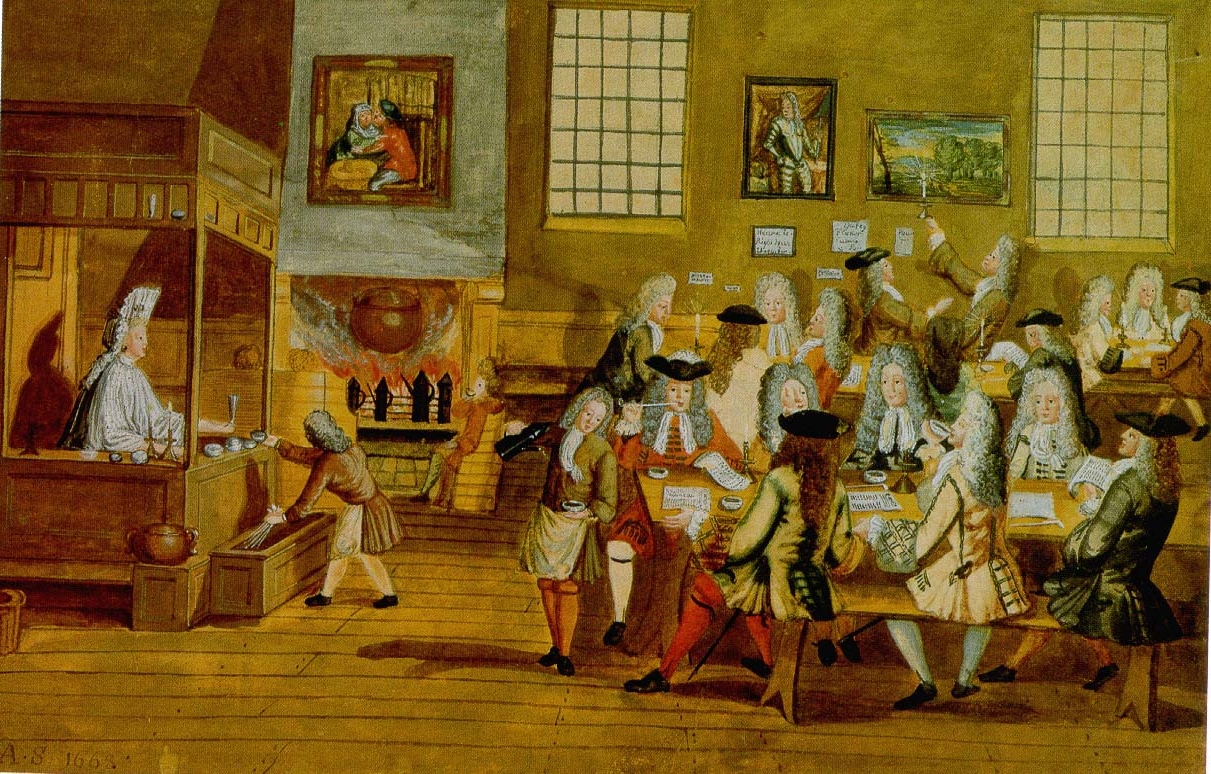
In European cities, the coffeehouse became a place to read the news, discuss business and exchange opinions. Seventeenth-century English accounts describe lively conversation, as well as the irritation all that talk could cause. Coffee brought people together and sometimes gave them something to argue about.
Amsterdam developed a coffee culture of its own. Through its trade networks and botanical garden, the city became closely connected to the spread of the coffee plant. Here, the history of coffee is woven into the history of the streets themselves.
The world behind the cup
From the trade networks surrounding Yemen, coffee cultivation spread to places including Java, the Caribbean and Latin America. European colonial powers developed coffee into a major export crop. Ports, ships and trading houses connected distant parts of the world.
This expansion has a painful history. Enslaved people worked on coffee plantations in Suriname; in Java, coffee was grown within colonial systems of compulsory production. Coffee’s wealth was shared unequally. An honest account must also recognise the people who picked the fruit and bore the burden.
Inventing a moment
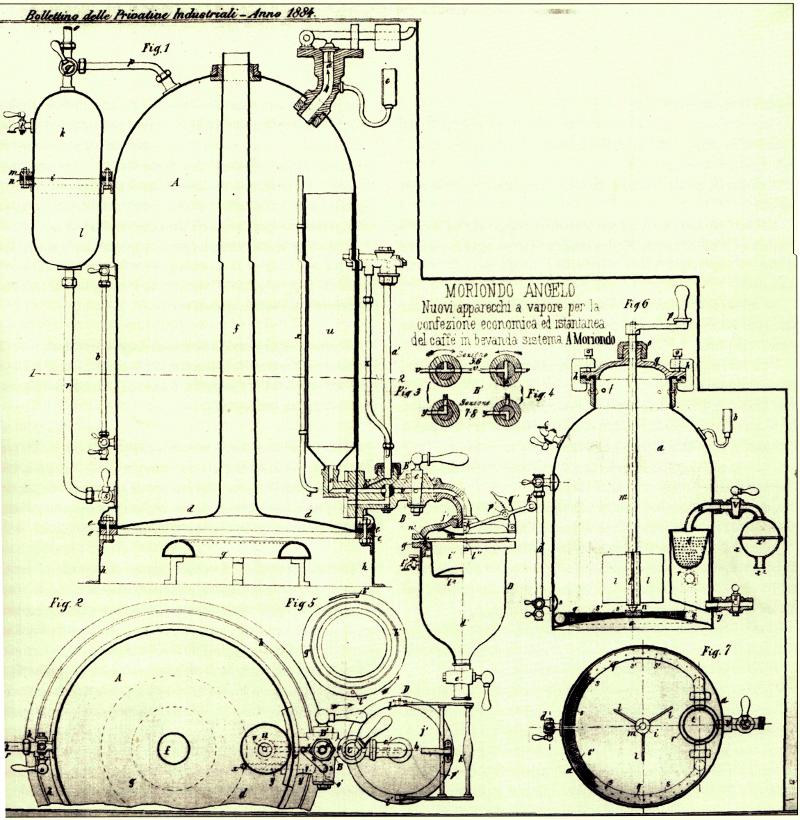
Espresso did not emerge from one invention on a single day. In 1884, Angelo Moriondo of Turin patented an early machine that used steam and water to prepare coffee quickly. It was an important precursor, rather than the espresso we recognise today.
Luigi Bezzera filed a patent for an improved coffee machine in 1901. Desiderio Pavoni subsequently played a key role in production and commercialisation; La Pavoni began in 1905. The ambition was familiar: freshly prepared coffee, served promptly. Modern espresso’s thick crema would come later.
FIVE MILESTONES IN ESPRESSO
From steam to crema.
- MoriondoSteam & water
- BezzeraAn improved machine
- La PavoniProduction & distribution
- GaggiaLever & piston
- Faema E61Electric pump
A new layer on the coffee
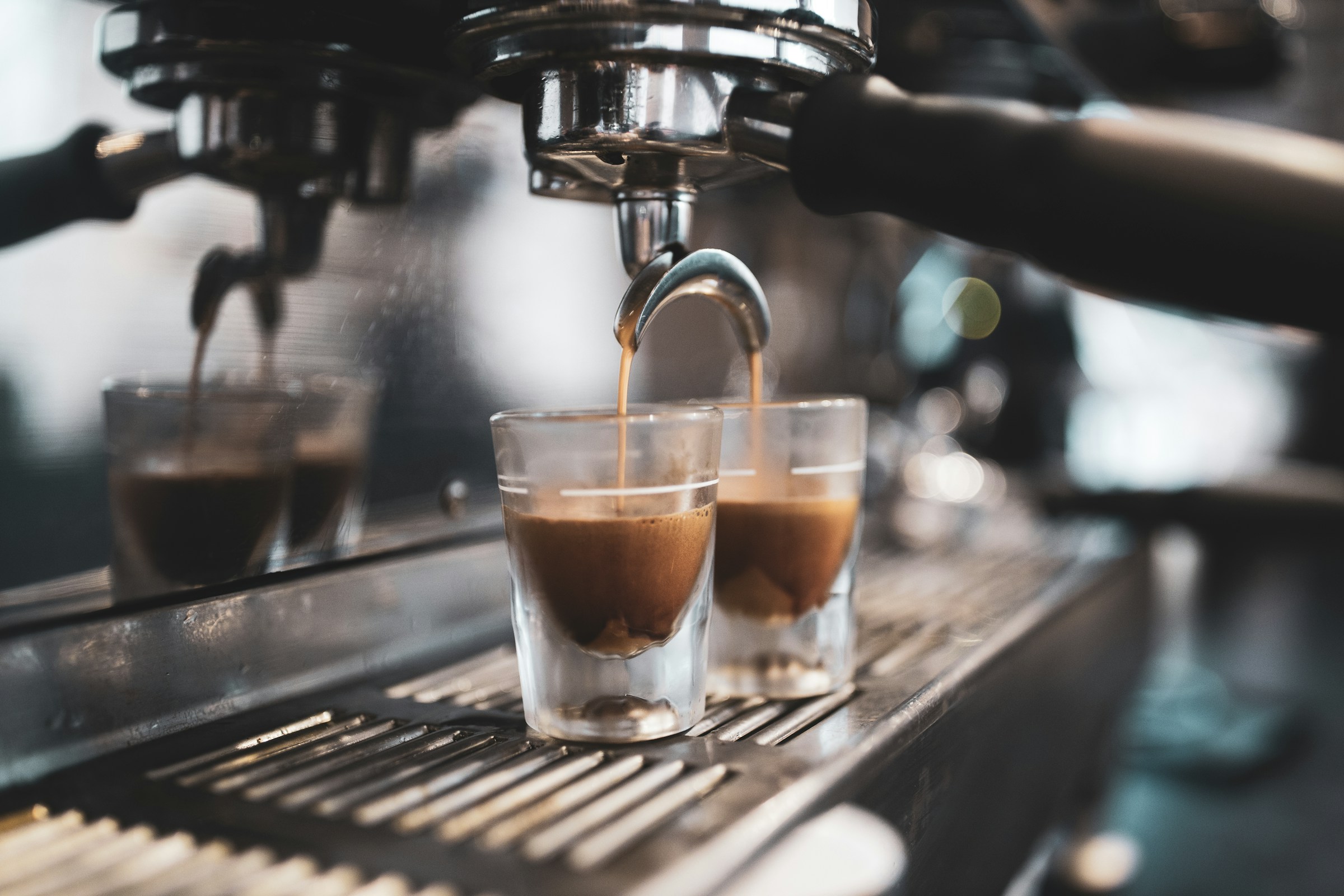
Achille Gaggia was working on pressure brewing in the 1930s. His 1947 lever and piston mechanism found its place behind the bar after the war. Higher pressure helped produce the crema that is now so closely associated with espresso.
In 1961, the Faema E61 marked another important step with an electric pump that delivered steady pressure during brewing. Baristas gained new ways to prepare a consistent cup. Espresso developed into a partnership between the machine, the grind, the coffee and the attention of the person making it.
From coffee bar to kitchen table
Brewing at home was changing too. In 1908, Melitta Bentz developed her paper coffee filter because she wanted to keep the grounds out of her cup. It is a reminder that a lasting invention can begin with an everyday frustration.
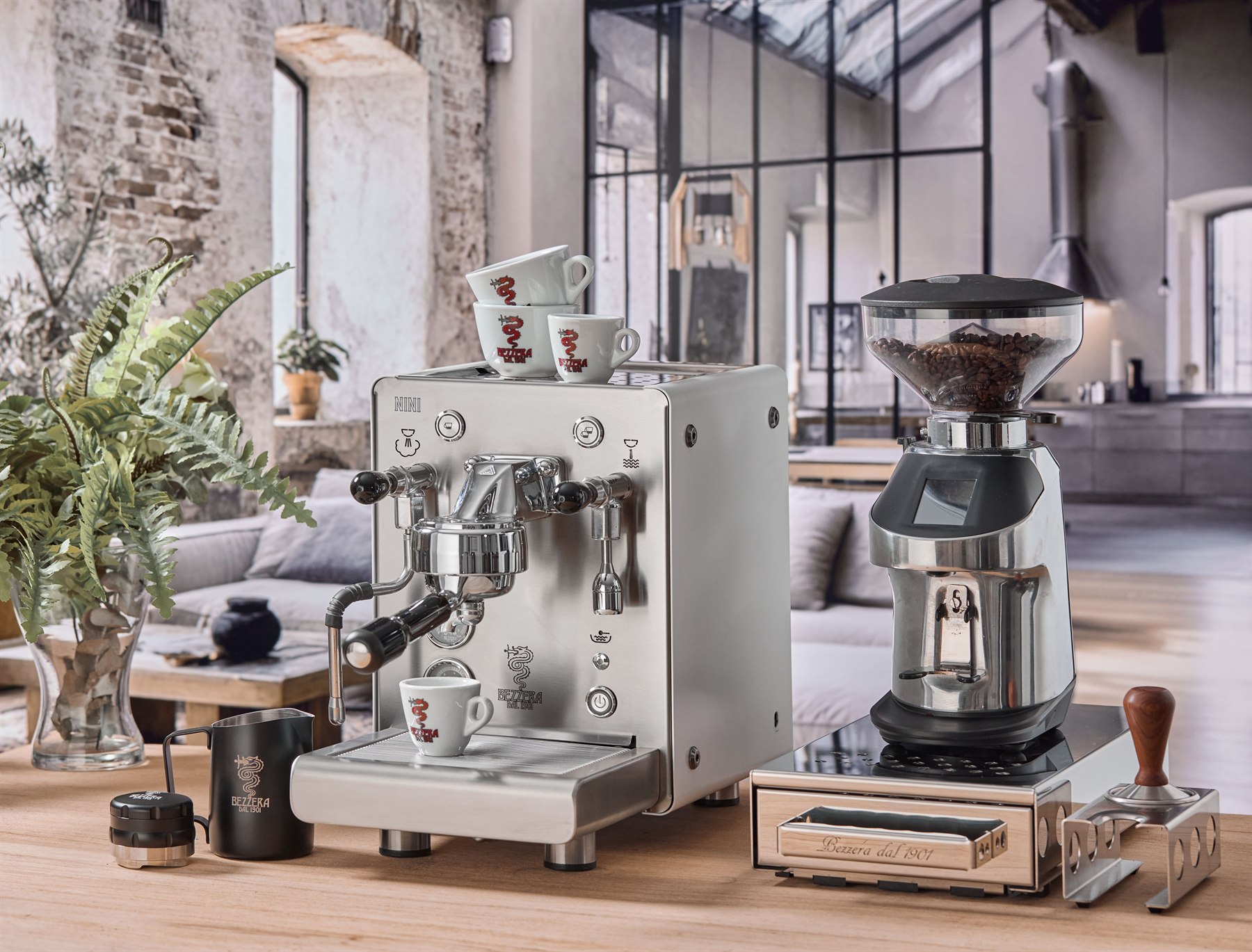
Compact espresso machines later brought another kind of coffee ritual home. La Pavoni’s Europiccola, introduced in 1961, is a distinctive example. Different routines grew alongside one another: a carefully poured filter coffee, a pot for the table or a freshly prepared espresso for one. Each gives the day its own rhythm.
Tasting where coffee comes from
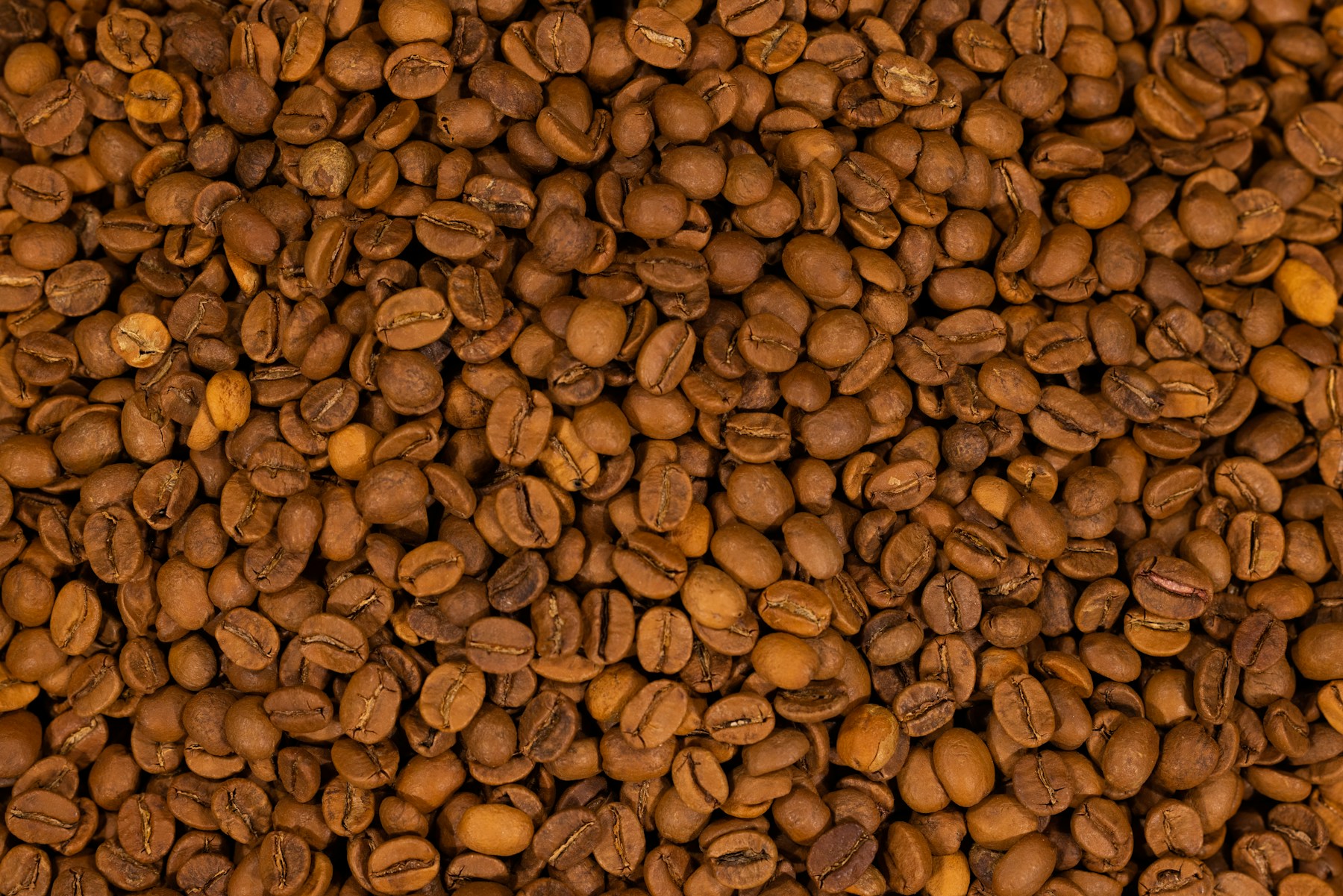
The interest in specialty coffee places a coffee’s individual characteristics in the foreground. Origin, processing and the skills of producers and roasters help explain why one coffee tastes different from another. Quality acquires a human story.
Coffee’s future also calls for attention to people and nature. Research in Ethiopia shows how thoughtfully organised production can support forests and improve growers’ incomes. That does not happen automatically. Decisions throughout the supply chain matter, from how coffee is grown to how its value is shared.
The next chapter is yours
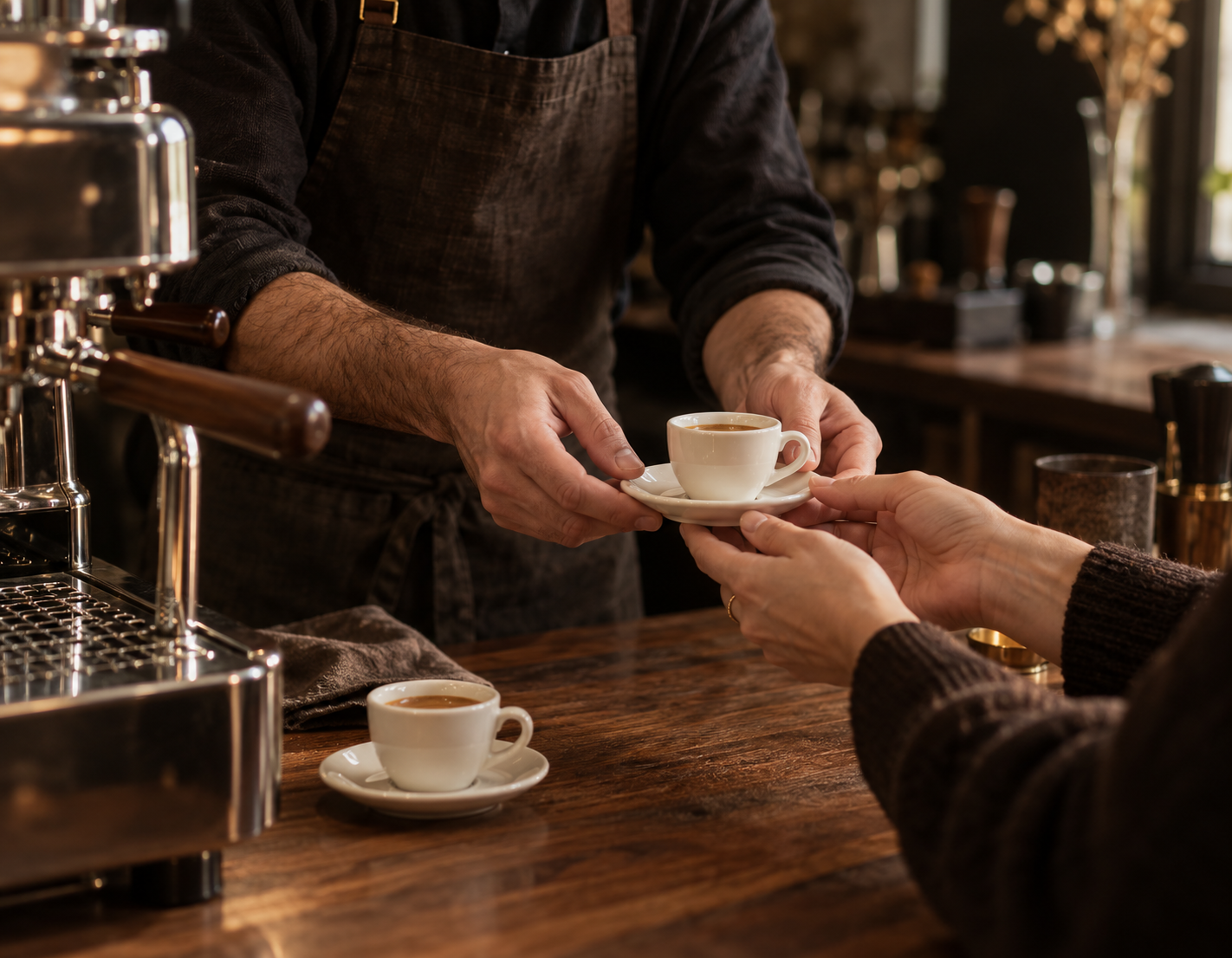
After all these centuries, coffee is still personal. The aroma of freshly ground beans. The sound of water moving through coffee. A familiar cup at a familiar moment. Equipment helps us explore the flavour, but the pleasure comes from taking the time to taste.
At Adesso Espresso, we invite you to find your own ritual. Discover the differences, try what suits you and make room for a good cup. Adesso: now.
Further reading
- Royal Botanic Gardens, Kew — Coffea arabica
- National Coffee Association — History of coffee
- UNESCO — Turkish coffee culture and tradition
- Fordham University — The First English Coffee-Houses, c. 1670–1675
- Stadsarchief Amsterdam — 1720 Koffiehuizen
- UNCTAD — Commodities at a Glance: Coffee in East Africa
- Rijksmuseum — 19de eeuw: Plantage Zeezigt
- Nationaal Archief — Directeur der Cultures, 1831–1902
- Smithsonian Magazine — The Long History of the Espresso Machine
- Bezzera — Company history
- La Pavoni — History of heritage
- Gaggia — Our history
- Faema — Heritage
- Melitta Group — 1908: An ingenious invention
- Specialty Coffee Association — What is specialty coffee?
- Royal Botanic Gardens, Kew — How growing, and drinking, coffee can help protect forests
Image sources
- Coffee cherries. It begins with a fruit. — Eduardo Gorghetto
- Coffee and cezve: a tradition that lives on. — Malak kassem
- A London coffeehouse, seventeenth century. — Wikimedia Commons
- The harbour of Mocha, Yemen, c.1680. — KB / Atlas of Mutual Heritage
- Angelo Moriondo’s patent drawing, 1884. — Angelo Moriondo
- The crema of a modern espresso. — Chase Eggenberger
- Roasted coffee beans: aroma and character. — engin akyurt